The ROI of Professional Web Design for Small Business
Professional web design pays small businesses back through higher conversion rates, stronger credibility, lower maintenance costs, and better SEO performance. The real ROI is not just a nicer site, but more qualified leads and fewer missed opportunities.
Key takeaways
- Professional web design can improve lead generation, trust, and conversion rates.
- ROI comes from both revenue gains and reduced maintenance or marketing waste.
- A better website often supports SEO, mobile usability, and faster page performance.
- Small businesses should measure web design ROI using leads, close rates, and site engagement.
The ROI of Professional Web Design: What Small Businesses Actually Get Back
Many small businesses know their website matters, but fewer know how to calculate what a better website actually returns. That gap matters because a site is often the first sales conversation a prospect has with your business.
For companies comparing DIY fixes, cheap templates, or a professional build, the real question is not the upfront cost. It is what the business gets back in leads, trust, efficiency, and long-term growth.
This matters even more when a service page gets traffic but fails to hold attention. If visitors leave within a few seconds and most never engage at all, the issue is rarely traffic alone. It usually means the page is not building confidence fast enough.
A case-study driven approach helps solve that problem. Instead of only listing services, a strong website and supporting content can show outcomes, reduce hesitation, and move readers closer to contacting your team.
What does ROI in web design really mean?
ROI in web design is the business value gained compared with the cost of planning, designing, developing, and maintaining the site. That value can be direct, like more form submissions, or indirect, like lower support costs and stronger credibility.
For small businesses, ROI usually shows up in 4 areas:
- More qualified leads
- Higher conversion rates
- Better search visibility
- Lower long-term website costs
A professional website does more than look polished. It helps people find what they need quickly, trust what they see, and take the next step without confusion.
If a business gets 500 monthly visitors and converts 1% of them, that means 5 leads. If a redesign lifts conversions to 2%, that becomes 10 leads. If just 2 of those leads become clients worth $3,000 each, the math changes fast.
Why design quality affects revenue
People make fast judgments online. In a few seconds, they decide whether a business feels credible, current, and worth contacting. That first impression affects whether they stay, click, or leave.
Professional web design improves the signals that support trust. These include clear messaging, mobile-friendly layouts, fast load times, proof of results, and visible calls to action.
When those pieces are weak, marketing dollars leak out. A business may pay for SEO, ads, or social traffic, only to send visitors to a site that fails to convert interest into action.
That is why web design ROI should be tied to the entire funnel. Better design does not just attract attention. It helps convert attention into consultations, calls, and contact form submissions.
How can a better website increase conversions?
A higher-converting website removes friction. It makes the next step obvious and easy, especially on mobile, where many small-business visitors first arrive.
Common conversion improvements include:
- Clearer headlines that explain value in seconds
- Stronger service-page structure with proof and FAQs
- Faster load times that reduce drop-off
- Better mobile navigation and tap targets
- Shorter contact forms with fewer barriers
Even small changes can matter. If a contact form asks for 8 fields instead of 4, some prospects will abandon it. If a page takes 4 seconds to load instead of 2, more visitors may leave before reading the offer.
Professional design also creates consistency. When branding, messaging, and user flow match across pages, visitors feel more confident. That confidence often translates into more inquiries.
The hidden returns small businesses often miss
Not every return appears as immediate revenue. Some of the strongest gains happen behind the scenes.
A professionally built website can reduce maintenance headaches, plugin conflicts, security risks, and emergency fixes. That saves owner time and lowers the chance of costly downtime.
It can also improve internal efficiency. Staff may spend less time answering basic questions when the site clearly explains services, pricing approach, locations, or next steps.
There is also a marketing efficiency gain. SEO campaigns, email traffic, and paid ads perform better when the destination site is built to convert. That means the same monthly marketing budget can produce more value.
For example, if a business spends $1,500 per month on marketing, but the website underperforms, part of that spend is wasted. Improving the site can increase returns without increasing ad spend.
What should a small business track after a redesign?
A redesign should never be judged by appearance alone. The better test is performance over 30, 60, and 90 days.
Track metrics such as:
- Contact form submissions
- Phone call clicks
- Consultation requests
- Bounce rate
- Time on page
- Organic traffic to key service pages
- Conversion rate by device
It also helps to compare lead quality, not just lead count. Ten weak inquiries are not as valuable as 4 strong ones. A professional site can improve both volume and fit by setting clearer expectations.
If your service page has modest traffic but low engagement, a supporting article like this can help warm up visitors first. They learn the business case, see practical outcomes, and return to the service page with more intent.
Professional design vs. cheap design
Low-cost websites can look affordable at first, but the total cost is often higher over time. Businesses may face redesigns sooner, struggle with SEO limitations, or pay repeatedly for patchwork fixes.
A professional build is usually more strategic. It considers messaging, user flow, mobile experience, technical performance, and future growth from day 1.
That does not mean every business needs a massive custom platform. It means the site should be built around business goals, not just visual preferences.
For many small businesses, the best ROI comes from a right-sized solution. That might mean a focused redesign of core pages, stronger calls to action, and technical improvements that support marketing for the next 12 to 24 months.
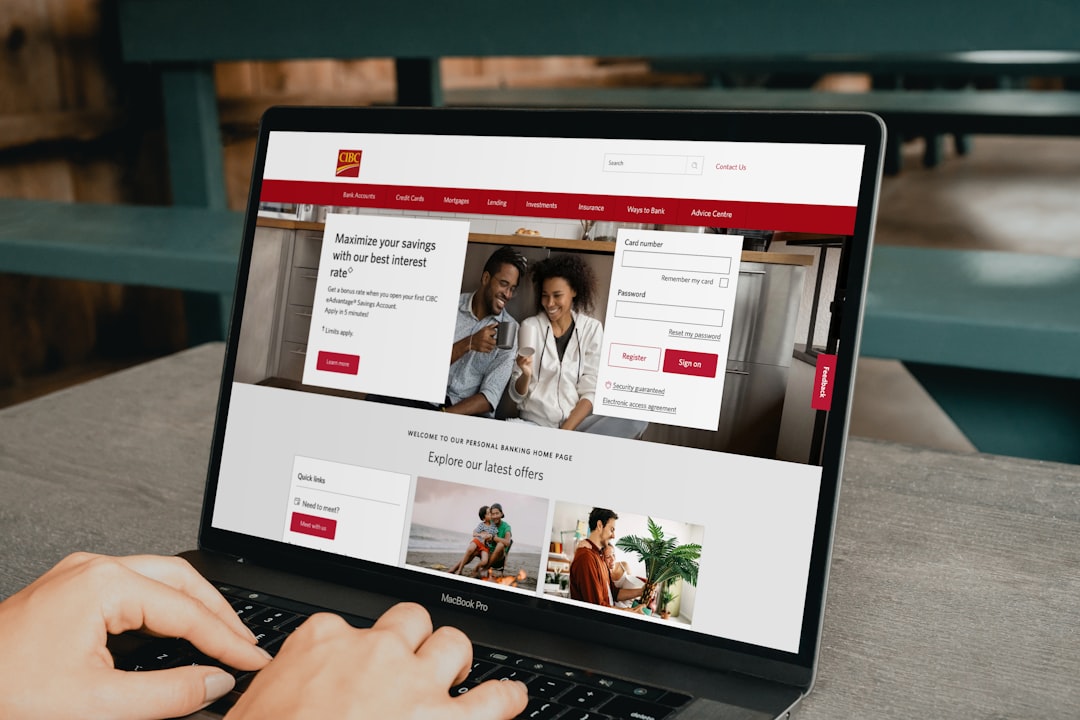
A website should do more than exist online. It should help your business earn trust, support marketing, and generate more qualified opportunities over time. When built strategically, professional web design becomes a revenue tool, not just a design expense.
If your current site gets traffic but fails to hold attention or convert visitors, Market Action Research can help. Contact MARS to evaluate your website, identify missed opportunities, and build a web strategy designed to turn more visitors into real business conversations.
Frequently asked questions
How do small businesses measure the ROI of web design?
Small businesses can measure web design ROI by tracking lead volume, conversion rate, average sale value, and customer lifetime value. They should also compare pre-redesign and post-redesign metrics such as bounce rate, time on site, and form submissions.
Is professional web design worth it for a small company?
Yes, if the website supports sales, lead generation, recruiting, or customer trust, professional design is usually worth the investment. A stronger site can help a business convert more of the traffic it already has while reducing future repair and redesign costs.
What business results can a redesigned website improve?
A redesigned website can improve qualified leads, phone calls, contact form submissions, SEO visibility, and user trust. It can also reduce friction on mobile devices and make site updates easier for the business.