6 Signs Your Website Needs a Redesign Now
Your website likely needs a redesign if it looks outdated, loads slowly, performs poorly on mobile, confuses visitors, lacks conversions, or is hard to update. These warning signs often reduce trust, traffic, and leads before owners realize the cost.
Key takeaways
- An outdated design can reduce credibility and lead generation.
- Slow load times and poor mobile usability often hurt rankings and conversions.
- If visitors cannot find what they need quickly, your site may need a structural redesign.
- A hard-to-update website can slow marketing and increase long-term costs.
How to Know If Your Website Needs a Redesign: 6 Warning Signs
A website redesign is not just about making a site look newer. It is often about fixing lost opportunities. If your site brings in traffic but very few inquiries, it may be underperforming in ways that directly affect revenue.
For many business owners, the warning signs appear gradually. Bounce rates rise, mobile users struggle, updates become painful, and leads stay flat. A diagnostic post like this helps identify whether your website is acting like an asset or a bottleneck.
Why does website redesign timing matter?
A weak website can quietly cost you leads for months. If organic search brings in visitors but they do not return, engage, or convert, the problem may not be traffic alone. It may be the experience they find after clicking.
Research has shown that users form an impression of a website in well under 1 second. In practice, that means design, speed, and clarity all influence trust almost immediately. If your site feels dated or confusing, visitors may leave before they learn what you offer.
1. Your website looks outdated
Design affects credibility. If your site still looks like it was built 5 or 7 years ago, visitors may assume your business is behind as well. This is especially true for service businesses where trust is a major conversion factor.
Outdated design often shows up as small text, cluttered layouts, old stock photos, inconsistent branding, or pages that feel visually dense. Even if the content is accurate, the presentation can make your business seem less established.
A redesign can modernize your layout, improve readability, and better align the site with current buyer expectations. Clean spacing, stronger messaging, and better visuals often help users stay longer and take action.
2. Your site is slow to load
Speed is a conversion issue, not just a technical one. A delay of even 1 to 3 seconds can reduce engagement, especially on mobile devices. If key pages load slowly, some visitors will leave before they ever see your offer.
Common causes include oversized images, bloated code, too many plugins, poor hosting, and outdated themes. If your homepage, service pages, or contact form drag, your website may need more than a patch.
Sometimes speed can be improved without a full rebuild. But if the site architecture is old and performance problems are widespread, redesigning on a better foundation is often the smarter long-term move.
3. Mobile users have a poor experience
More than 50% of web traffic now comes from mobile devices. If your site is hard to read, hard to tap, or hard to navigate on a phone, you are likely losing prospects every week.
Warning signs include text that is too small, buttons that are too close together, menus that break, and forms that are frustrating to complete. A mobile problem is often a business problem, especially for local and service-based companies.
How can you tell if users are struggling?
Look for patterns such as low time on page, high bounce rates, and weak conversion rates on mobile compared with desktop. If one device type performs much worse, the design may be creating friction.
You can also test the site yourself. Try finding a service, reading key content, and submitting a form on your phone in under 60 seconds. If that feels difficult, your visitors likely feel it too.
4. Visitors are not converting
A website should guide users toward a next step. If traffic is coming in but consultation requests, calls, or contact form submissions stay low, the site may not be doing its job.
This can happen when calls to action are weak, pages are too vague, trust signals are missing, or navigation is unclear. In some cases, the offer is strong but the site does not present it in a persuasive way.
A redesign can improve conversions by clarifying value, simplifying page structure, and making contact paths more obvious. Even moving from 1% to 2% conversion effectively doubles lead volume from the same traffic.
5. Your content and navigation confuse people
Users should understand what you do within a few seconds. If your homepage is crowded, your menu is disorganized, or service pages are hard to compare, prospects may leave without exploring deeper.
Here are a few common signs of structural confusion:
- Visitors ask basic questions already answered on the site
- Important pages are buried 3 or 4 clicks deep
- Service names are unclear or too technical
- Multiple pages compete for the same purpose
- Contact information is hard to find
A redesign helps organize information around user intent. That means making the path from landing page to consultation request easier and more intuitive.
6. Your website is hard to update or maintain
If simple changes require a developer every time, your website may be costing more than it should. Business owners often discover this when they try to update staff, add services, publish content, or fix urgent issues.
An inflexible site can slow marketing, delay promotions, and create security risks. If your platform, theme, or custom code is outdated, even routine maintenance can become expensive and time-consuming.
A modern redesign should make updates easier, not harder. It should also support better hosting, stronger security practices, and room for growth over the next 2 to 3 years.
Should you redesign or just refresh?
Not every website needs a full rebuild. Sometimes a visual refresh, speed optimization, or conversion-focused update is enough. The key is whether the problems are isolated or systemic.
You may only need targeted improvements if your site has a solid structure, works well on mobile, and converts reasonably well. But if you are seeing 4, 5, or all 6 warning signs, a redesign is usually the better investment.
A good redesign is strategic. It should improve user experience, support SEO, strengthen trust, and make it easier for your business to generate leads consistently.
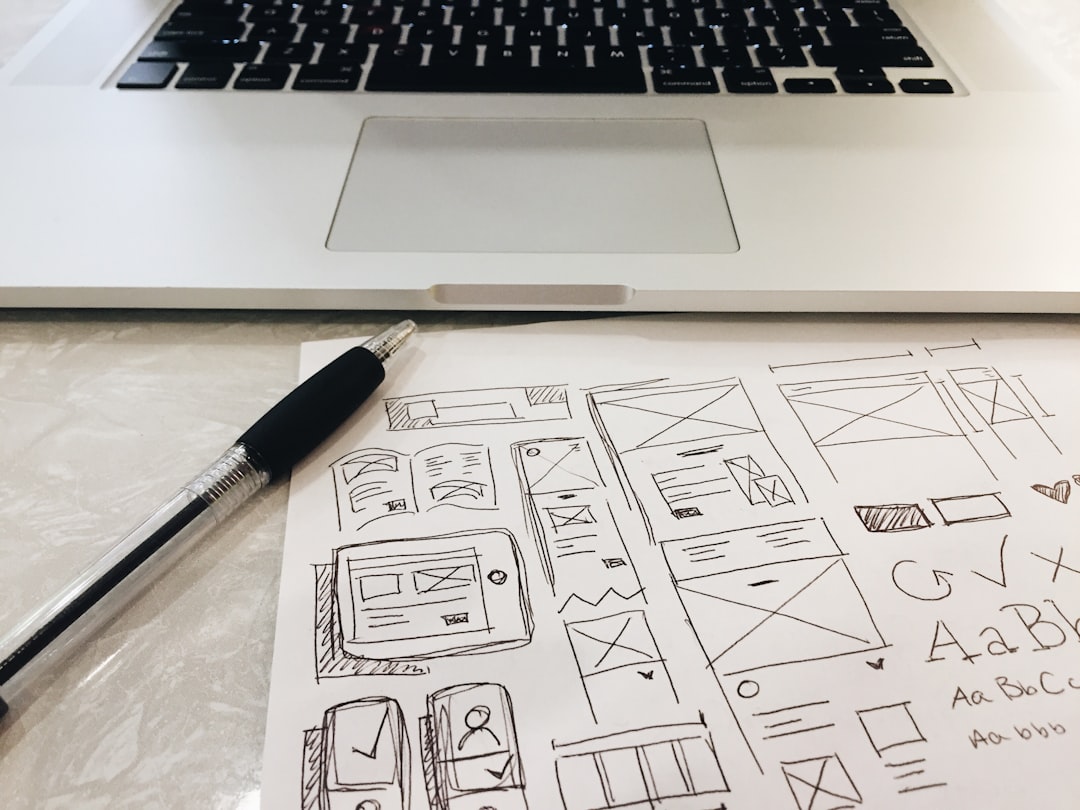
If your website is attracting attention but not turning that attention into inquiries, now is a smart time to evaluate what is holding it back. A redesign can do more than improve appearance. It can make your site faster, clearer, easier to manage, and more effective at converting new visitors.
Market Action Research helps businesses in Los Angeles and nationwide assess whether they need a full redesign or a more targeted improvement plan. If you want expert guidance on performance, usability, SEO, or conversion strategy, contact MARS to schedule a consultation.
Frequently asked questions
How often should a business website be redesigned?
Many business websites benefit from a major redesign every 2 to 4 years. The right timing depends on performance, branding changes, technology, and whether the site still supports lead generation.
Can I improve my website without a full redesign?
Yes, some issues can be fixed with targeted updates such as speed improvements, stronger calls to action, or mobile layout changes. However, if multiple core problems exist at once, a full redesign is often more cost-effective.
What is the biggest sign a website is hurting conversions?
A major warning sign is steady traffic with very few consultation requests, calls, or form submissions. That often means the site is not building trust, guiding users clearly, or making the next step easy.