Direct Traffic Growth: Is Your Site Ready to Convert?
Direct traffic often includes people who already know your business, but interest alone does not guarantee leads. If your site is slow, unclear, or outdated, warm visitors can still leave without contacting you.
Key takeaways
- Direct visitors are often high-intent, but they still need a clear next step.
- Load time, trust signals, and mobile usability strongly affect conversion.
- A homepage should guide visitors to contact, consultation, or service pages fast.
- Small fixes to forms, messaging, and navigation can improve lead quality.
Direct Traffic Growth: Is Your Site Ready to Convert?
Direct traffic can be one of the most valuable visitor sources a business gets. These are often people who already know your name, heard about you from a referral, saw an offline ad, or came back after a previous visit.
That familiarity helps, but it does not guarantee action. A warm visitor can still leave in 10 seconds if the site feels confusing, slow, or out of date.
For business owners, that creates a practical question. If more people are arriving already aware of your brand, is your website doing enough to turn that interest into enquiries?
Why direct traffic deserves special attention
Direct visitors usually arrive with less need for discovery than cold search traffic. They may already know what you do, or at least why they are checking you out.
That changes what your website needs to accomplish. Instead of spending the whole visit educating from scratch, the site needs to confirm trust, remove friction, and point to the next step fast.
In many cases, visitors decide within 5 to 15 seconds whether to keep going. If your homepage headline is vague, your navigation is cluttered, or your mobile layout feels awkward, that window closes quickly.
A direct visitor is not asking, "Can I find a company in this category?" They are asking, "Is this the right company for me, and should I contact them now?"
What makes direct visitors convert?
Direct traffic converts best when the site answers a few immediate questions without making people hunt.
- What does this business actually do?
- Who is it for?
- Why should I trust them?
- What should I do next?
If any one of those answers is weak, the visit can stall. That is especially true on mobile, where attention spans are shorter and screen space is tighter.
A strong conversion path usually includes 3 things: a clear value proposition near the top of the page, visible calls to action, and proof that the business is credible. Proof can include experience, specific services, industry fit, or a polished and current presentation.
If your site still needs those basics, professional web services can help align design, messaging, and performance around lead generation.
Is your homepage doing enough?
Many business websites treat the homepage like a brochure. That is a missed opportunity.
For direct traffic, the homepage often acts like a front desk. It should quickly route the visitor to the right place, whether that is a service page, an industry page, or a consultation request.
A good homepage does not need to say everything. It needs to do the first 80 percent of the job well.
That usually means:
- A headline that explains the core offering in plain language
- A short supporting message focused on business outcomes
- One primary call to action above the fold
- Navigation that is easy to scan in under 10 seconds
- Mobile performance that feels smooth in 2 to 3 seconds
If your homepage is trying to serve every audience equally, it may be helping none of them enough.
The hidden friction that kills warm leads
Warm traffic often exposes usability problems faster than any other source. These visitors came with intent. If they still do not convert, friction is usually the issue.
Common examples include forms that ask for 8 to 12 fields, service pages that bury the offer, or contact buttons that disappear on mobile. Even small obstacles can reduce response rates.
Trust friction matters too. If the copyright date is old, the design looks 5 years behind current expectations, or the messaging feels generic, visitors may hesitate.
Technical friction is just as damaging. A page that takes 4 to 6 seconds to load can lose momentum before the visitor even reads the first sentence.
If this sounds familiar, the article on why visitors leave fast and how to fix your funnel covers related breakdowns between interest and action.
How should you optimize for direct traffic?
Start with the pages most likely to receive brand-aware visitors. For many businesses, that means the homepage, about page, service pages, and contact page.
Then review those pages through a simple conversion lens.
Ask:
- Is the main offer obvious in under 1 screen?
- Is there a clear next step on every key page?
- Does the mobile version feel easy to use with one hand?
- Are trust signals visible before the visitor reaches the footer?
- Can someone contact you in under 60 seconds?
A practical improvement plan does not have to be massive. Often, 3 to 5 targeted updates create meaningful gains.
Examples include shortening forms, rewriting headlines, improving button placement, tightening service-page copy, and reducing page weight so key screens load faster.
Businesses that need reliability as well as conversion support may also benefit from the MARS platform, especially when hosting, maintenance, performance, and ongoing support all affect lead flow.
Direct traffic is not self-converting
It is easy to assume that brand-aware visitors will figure things out on their own. Some will. Many will not.
A website still has to earn the enquiry. It has to reassure visitors that your business is current, capable, easy to work with, and worth contacting now instead of later.
That is why direct traffic should not be measured only by volume. It should be evaluated by readiness. If a visitor arrives already interested, every unnecessary delay becomes more expensive.
The goal is not just more visits. It is a site experience built to capture the momentum those visits bring.
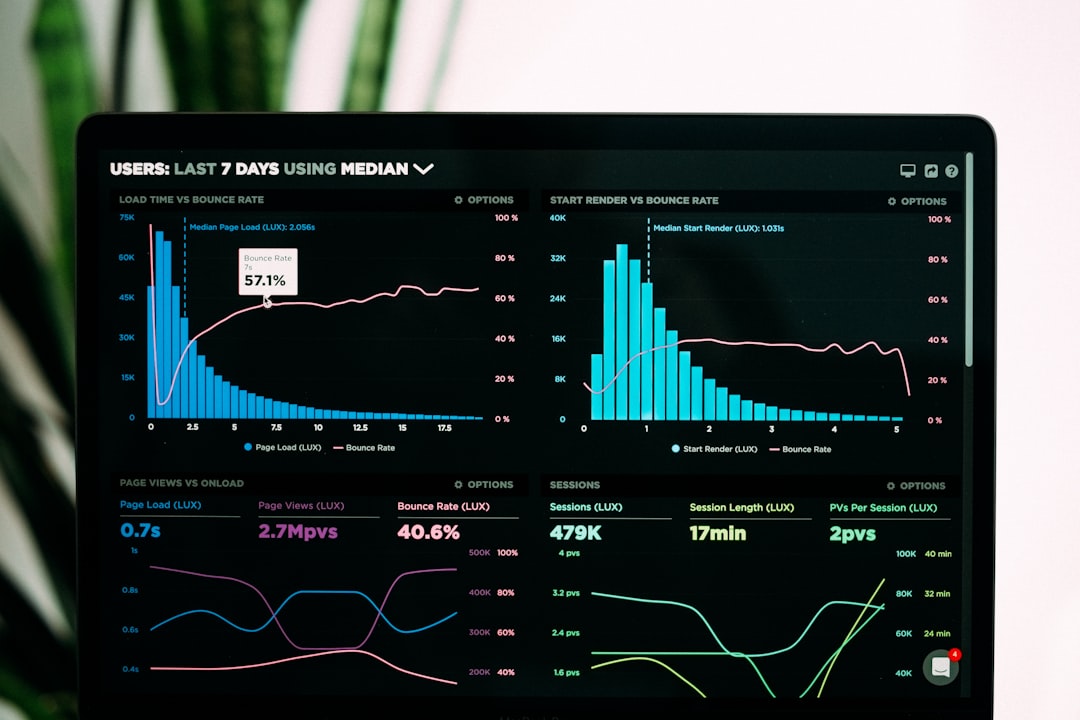
As direct traffic grows, the businesses that benefit most will be the ones that treat their websites like conversion tools, not static brochures. Clear messaging, faster pages, stronger trust signals, and simpler next steps can all help turn existing interest into real opportunities.
If you want expert help reviewing whether your site is ready to convert warm visitors, request a consultation with Market Action Research. A focused outside review can uncover the friction points that are quietly costing you leads.
Frequently asked questions
What is direct traffic on a business website?
Direct traffic usually means visits from people who typed your URL, used a bookmark, or arrived from sources that were not clearly tracked. It often includes warm prospects who already know your business name or heard about you elsewhere.
Why might direct traffic fail to convert?
Even interested visitors can leave if a site loads slowly, looks outdated, feels untrustworthy, or makes the next step hard to find. Weak calls to action and long forms also reduce conversions.
Which pages matter most for converting direct visitors?
For many service businesses, the homepage, service pages, about page, and contact page do most of the conversion work. These pages should explain value quickly and make it easy to request help.
How fast should a site be for better conversions?
A practical goal is to make key pages feel usable in about 2 to 3 seconds on mobile. Once waits stretch past 4 or 5 seconds, more visitors tend to drop off before taking action.